| Characteristic/ management |
Remarks |
| Growth habit |
It produces high quantities of forage biomass. It has an upright/erect growth habit and grows in well-defined tussocks/bunches that together with its ability to regenerate fast after harvesting makes it especially suitable for cut and carry systems |
| Seed requirement and placement |
Seed rate: 5-7.5 kg/ha (spaced out planting) and 10-12 kg/ha (broadcast planting or zero tillage); Seed placement: plant seed at 1-1.5 cm depth and cover lightly with soil |
| Soil fertility requirement |
Intermediate to high. Will also do well in low fertility soils |
| Adaptation to acidic soils |
Good |
| Tolerance to drought and high temperatures in the field |
Good |
| Shade tolerance |
Less tolerant to shading |
| Maturity period |
10-12 weeks (days to first harvest/cut after germination); 5-7 weeks (days to subsequent cuts). |
| Utilization options |
Can be directly grazed on or cut and carried to livestock for fresh feeding. Can be preserved in the form of hay or silage. Makes high quality hay and silage. |
| Palatability |
High |
| Digestibility |
Has high digestibility (69%) |
| Protein content |
Up to 17% |
| Utilization management |
25 cm (minimum height for animals to exit paddock under direct grazing); 5 cm stubble height (for cut and carry systems). |
| Utilization frequency |
25-30 days (rotational grazing); 35-42 days (cut and carry). Best alternative to achieving high green and dry matter production in intensive cut-and-carry grass systems |
| Persistence in the field |
Has high persistence. Has high regeneration capacity and fast regrowth rate. |

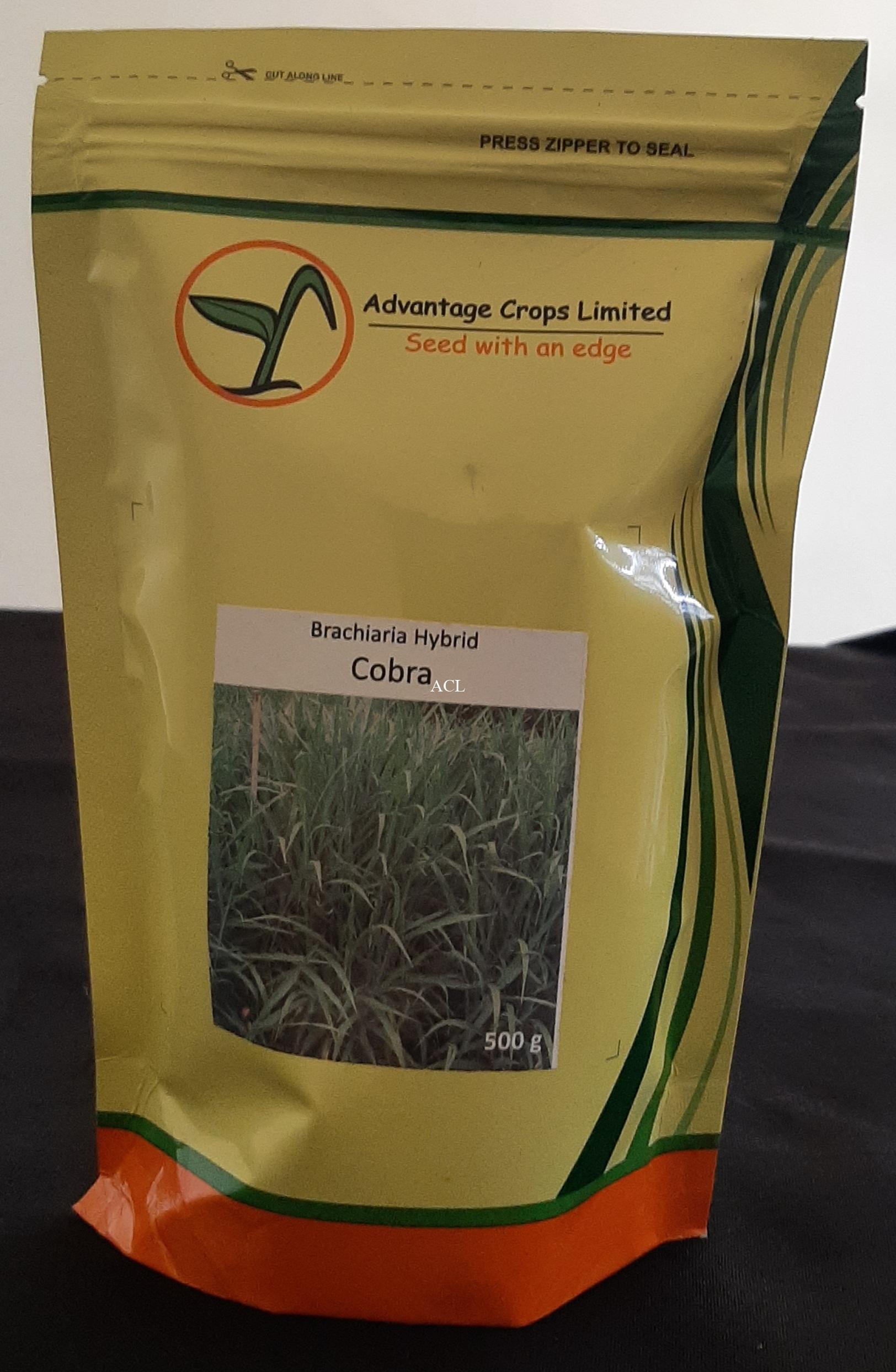
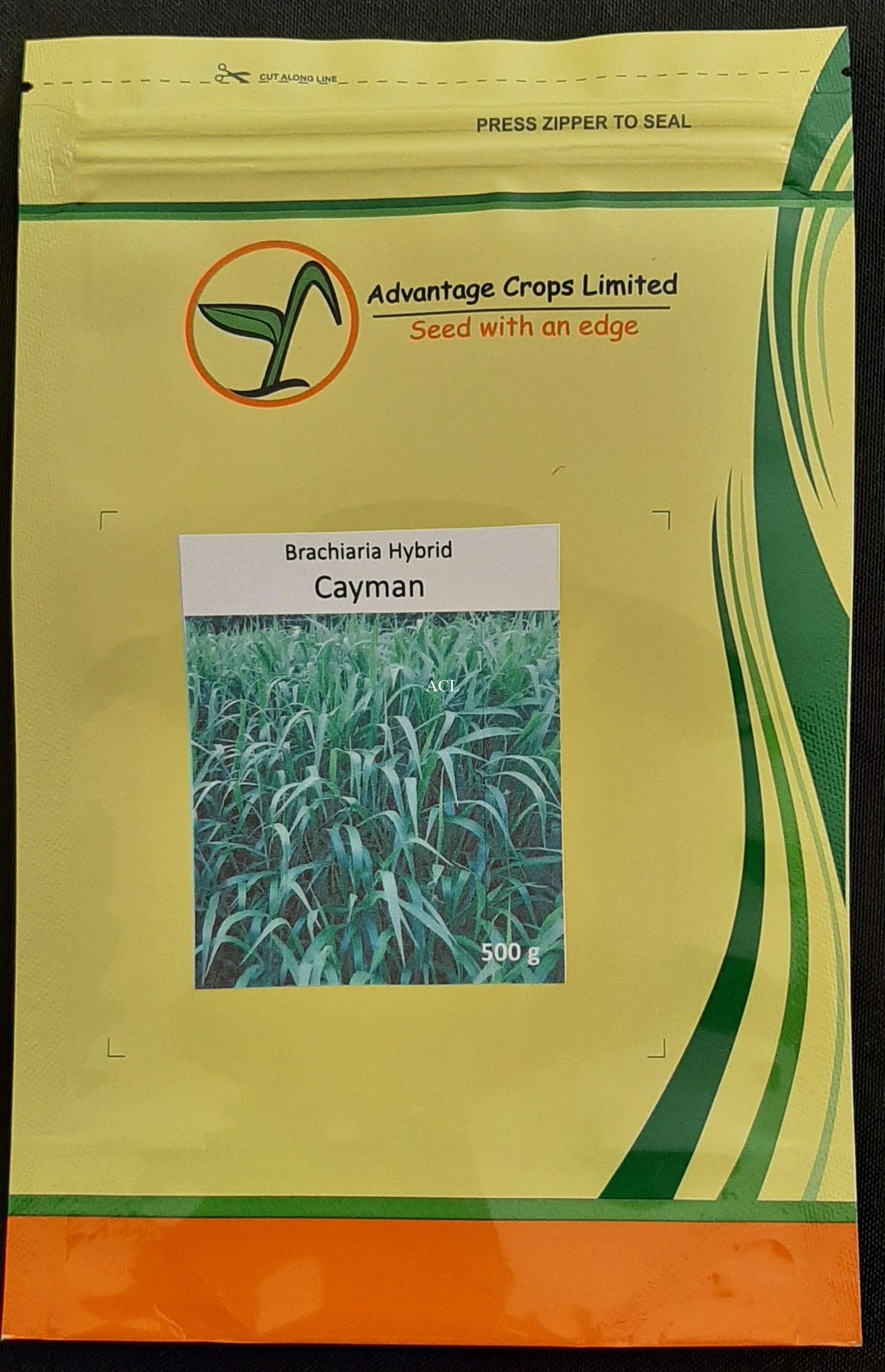

 Cayman
Reviews
There are no reviews yet.